
Helen Needham is a member of the Neurodiversity in the City Steering Group.
This article is part of a Neurodiversity Celebration Week series led by the City Belonging Project’s Neurodiversity in the City network. Sign up to learn more about upcoming network events.
For years I questioned if I had what it takes to succeed as a management consultant.
Consulting is a profession built around people - influencing stakeholders, navigating complex relationships and building trust quickly. Yet for most of my life, I have struggled with people. I was often viewed as difficult or abrasive, without meaning to, and this became a bigger issue as my role increasingly required me to lead teams and influence senior stakeholders.
I tried to change. I read self-help books, worked with coaches and spent years analysing how other people interacted. I built a “mental playbook” of social rules - what to say, what not to say, and how to behave in different situations. It was exhausting.
Nothing seemed to work. Over time anxiety took over and my confidence eroded. I began to believe the narrative that I simply wasn’t good enough in the areas that mattered most, and eventually it started to impact my performance.
Then in 2017 everything changed. While supporting my son through his autism diagnosis, I recognised the same patterns in myself. Shortly afterwards I received my own diagnosis: I am autistic. It didn’t change who I was, but it changed how I understood myself. For years I had internalised the feedback I had received and believed I was simply difficult. But in that moment something shifted.
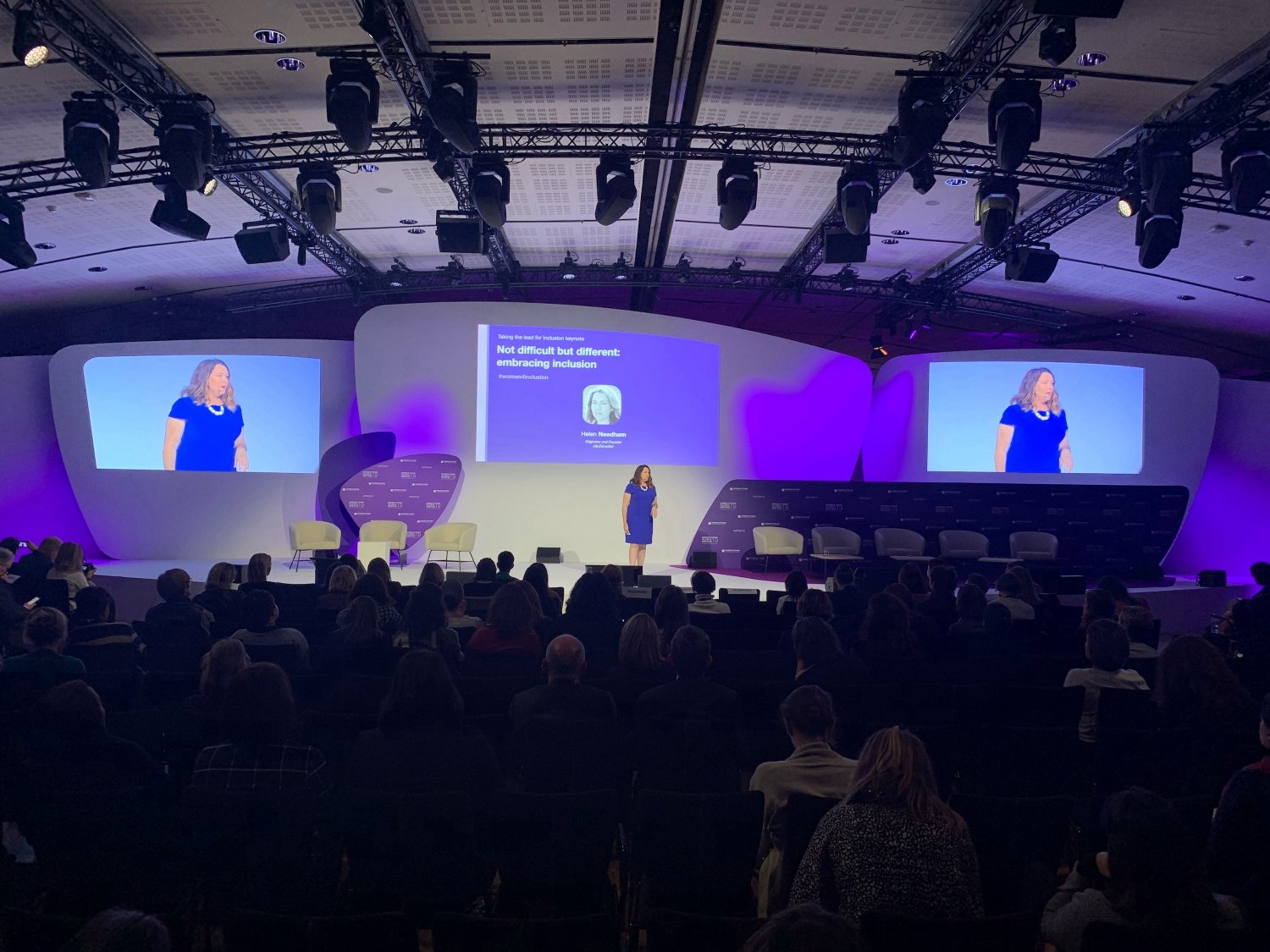
I realised I’m not difficult. I’m different.
Instead of trying to change myself, I advocated for establishing a neurodiversity network at work while also rethinking how I approached my own work.
I focused on making the most of my strengths - seeing the big picture others might miss and challenging assumptions teams may not even realise they are making. With support from HR and senior leadership, I made small but important adjustments. I struggle with surprises, so I asked for information to be shared in advance so I could process it before discussing it. I found allies who could act as a ‘social bridge’ in challenging situations, while increased working from home to helped to reduce the sensory overload of a busy office and give me space to think.
It hasn’t always been easy. There are still moments where I can be seen as challenging or where my anxiety takes over, particularly when starting new projects or dealing with the unexpected. But with the strategies in place, I now have a way of working through these challenges as they arise.
I have realised that one of the most powerful reasonable adjustments is an open mindset. A willingness to understand different perspectives and explore what might be possible. Small adjustments in communication or working style can make a world of difference. Another key lesson has been the power of partnership, working with colleagues whose strengths complement my own. Today I am the UK Data Management Lead, which involves working with a range of clients to understand their challenges and leading teams tackling complex data problems. These partnerships are central to how I work.
Looking back, the question was never whether an autistic person could succeed in consulting. The real question is whether organisations are ready to recognise the value of different ways of thinking - and create environments where different minds can thrive and become a force for innovation, insight and progress.