
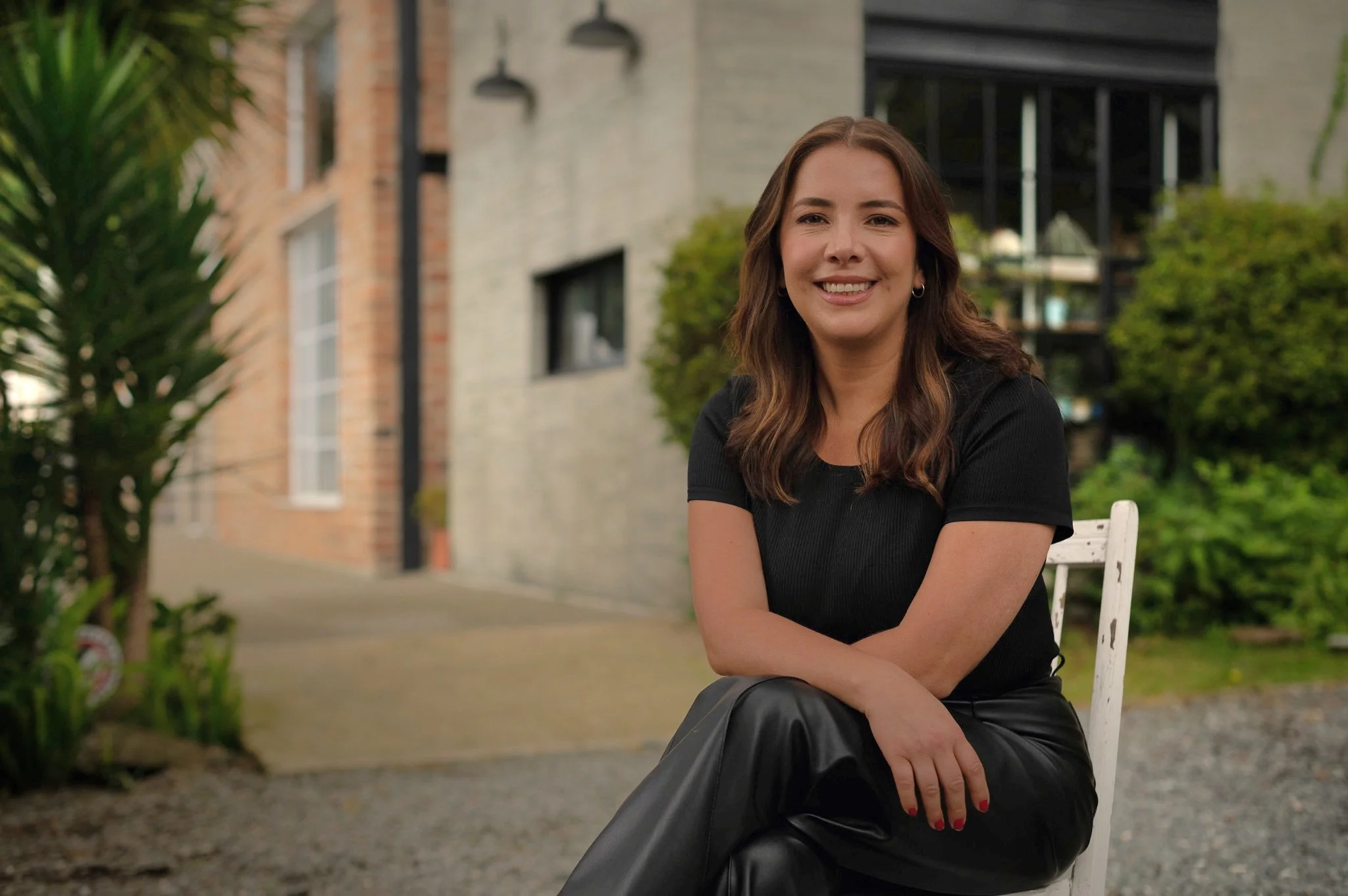
Heliana Bedoya is a member of the Neurodiversity in the City Steering Group.
This article is part of a Neurodiversity Celebration Week series led by the City Belonging Project’s Neurodiversity in the City network. Sign up to learn more about upcoming network events.
My perspective on neurodiversity began not in the workplace, but at home.
As the mother of a neurodivergent child, I found myself on a journey many parents will recognise: learning how a different mind experiences the world, seeking tools that could help my child thrive, and rethinking many assumptions about learning, behaviour and success.
Along that journey, something unexpected happened. Understanding my son’s neurodiversity also helped me better understand aspects of my own thinking.
While I do not have a formal diagnosis, recognising traits commonly associated with ADHD allowed me to reframe qualities that had shaped much of my professional life: the ability to hyper-focus on areas of deep interest, strong intuition when connecting people and ideas, and a natural tendency to see opportunities and patterns others might overlook.
For many years earlier in my career, I approached work with a high degree of control. I believed that success depended on following a specific process or doing things “the right way.” Parenting a neurodivergent child challenged that mindset.
When your child experiences the world differently, rigid systems rarely work. Instead, you learn to prioritise outcomes over form. You learn to adapt, experiment and focus on what truly helps someone succeed rather than how things are traditionally done.
That shift has fundamentally shaped how I approach both life and work.
It also led me to found NeuroEsencia, a platform dedicated to supporting families and communities navigating neurodiversity through conscious nutrition, mindful parenting and holistic wellbeing. Through this work, I began to see how the insights parents develop at home translate directly into professional environments.
Many parents raising neurodivergent children develop exceptional problem-solving skills, resilience, creativity and empathy. These are not only parenting skills; they are leadership capabilities.
In conversations with organisations across the City, I often bring what I describe as the “parent lens” Many workplaces focus on policies or adjustments when discussing neurodiversity. Equally important, however, is recognising the strengths that different ways of thinking bring to teams, innovation and collaboration.
The City of London thrives on diversity of thought, global perspectives and the ability to adapt to complex challenges. Neurodiversity is part of that ecosystem of ideas.
Sometimes the most valuable insights come from lived experience outside the workplace - from families, communities and the daily reality of navigating different ways of thinking.
For me, neurodiversity is both personal and professional. It has reshaped how I understand leadership, connection and innovation. And it continues to guide my work in helping organisations recognise neurodiversity not simply as something to accommodate, but as a powerful driver of progress.