
Cesca Zealand: How my Neurodiversity became a force for good
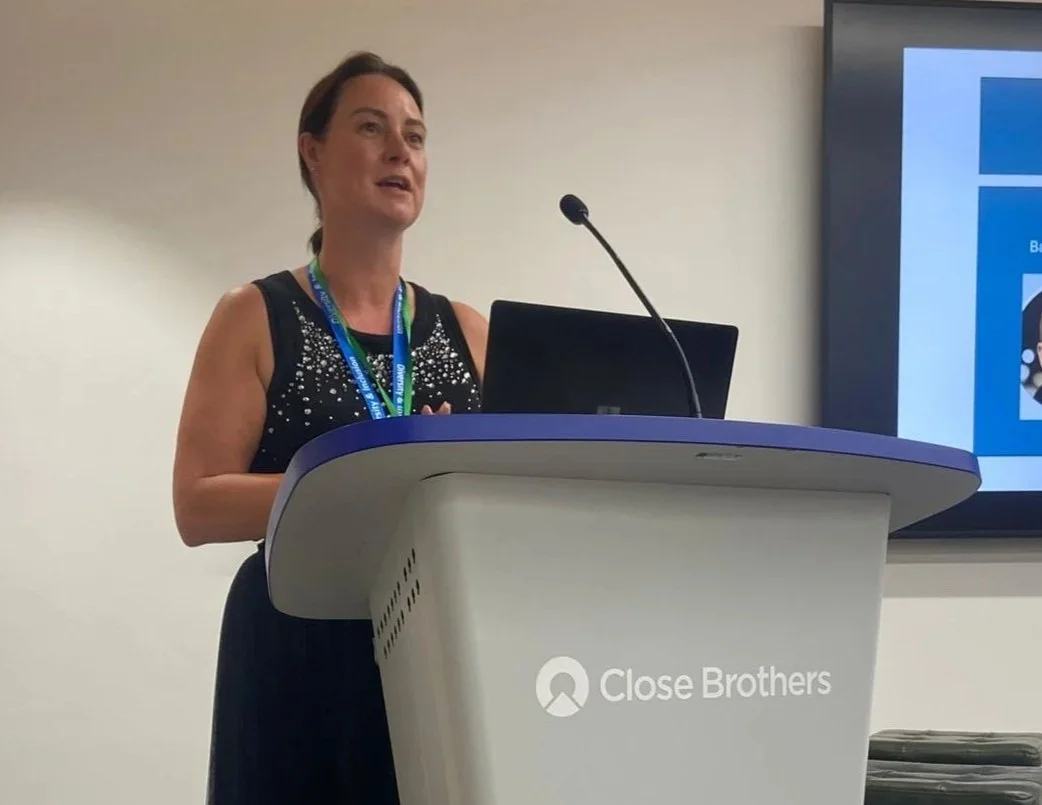
Cesca Zealand is convenor of the Neurodiversity in the City Steering Group.
This article is part of a Neurodiversity Celebration Week series led by the City Belonging Project’s Neurodiversity in the City network. Sign up to learn more about upcoming network events.
There have been lots of moments in my career when I’ve felt out of step with my peers. Times where my thoughts came too quickly or too slowly. Ideas that didn’t fit neatly into a powerpoint slide. Am I missing something everyone else sees — or seeing something they don’t?
Living with ADHD means my mind is always active — searching, connecting, scanning for what’s next. For much of my career, I saw that energy as something to temper or be ashamed of.
In the last couple of years, my life has changed in ways I never anticipated. As well as late diagnosis, I found myself navigating profound traumatic loss while still needing to keep everything moving — at home, at work, and for a young daughter who had just lost a parent. At the same time as juggling a funeral, an inquest, an NHS serious incident review and my daughter’s challenges going to school, I was still trying to show up professionally — not as a ghost of myself, but as someone who could still think clearly, deliver, contribute and lead at the highest level.
Managing life on my own required a fundamental rethink. I couldn’t rely on instinct or memory alone. I needed systems that supported my brain: clear routines, visible plans, and practical strategies that reduced cognitive load. In learning how to support myself better, I also learned something important about how I work at my best — with clarity, intention and purpose.
I won’t romanticise it. There have been days when “force for good” felt out of reach — when I was simply getting through the next hour. But what I can say, honestly, is that this period has reshaped me. It has taught me who to trust, how to build supports that work for my brain, how to ask for help without shame, and how to turn difference into design — in my life, and in my work.
Before, my energy felt like a contradiction: intense focus and total overwhelm; brilliant ideas and paralysis; hyper productivity followed by burnout.
But during this period, I began to understand it differently. What once felt like restlessness became a drive to problem solve, to build structure where it was needed, and to find new ways of working that reflected the reality of my life.
This same skillset benefits my professional life. My neurodivergent thinking allows me to hold complexity without being overwhelmed by it. My energy allows me to get involved in lots of different things both inside and outside the workplace.
It’s also developed my understanding of inclusion. When workplaces recognise that people bring different cognitive strengths — and that those strengths may look different at different points in life — they create space for real contribution. Psychological safety, flexibility and trust aren’t just supportive; they unlock performance.
Today, I have a much clearer sense of who I am and how I work. I know the conditions under which I do my best thinking, and I’m more confident in advocating for approaches that allow difference to be an asset rather than a barrier. That confidence has strengthened my leadership, my collaborations and the value I bring to the wider City ecosystem.
Neurodiversity doesn’t always show up as innovation in the abstract. Sometimes it shows up as resilience, adaptability and the ability to keep moving forward in complex circumstances. Those qualities underpin progress — in organisations, in communities, and in the City as a whole.
Because the City is complex too. It’s pressure, pace, ambiguity, competing priorities, and constant change. Neurodivergent people often live with complexity as our baseline, which means we can bring a particular kind of value.